Professional HVAC Contractor Services: Keeping Your Home At ease Year-Round
A reliable HVAC contractor delivers crucial services in preserving a cozy home across the year. These professionals ensure that heating, ventilation, and air conditioning systems function effectively and efficiently. Homeowners often ignore the importance of these services until issues emerge. Understanding the signs that indicate a requirement for professional help can make a substantial impact. What should homeowners consider when selecting the best contractor for their requirements?
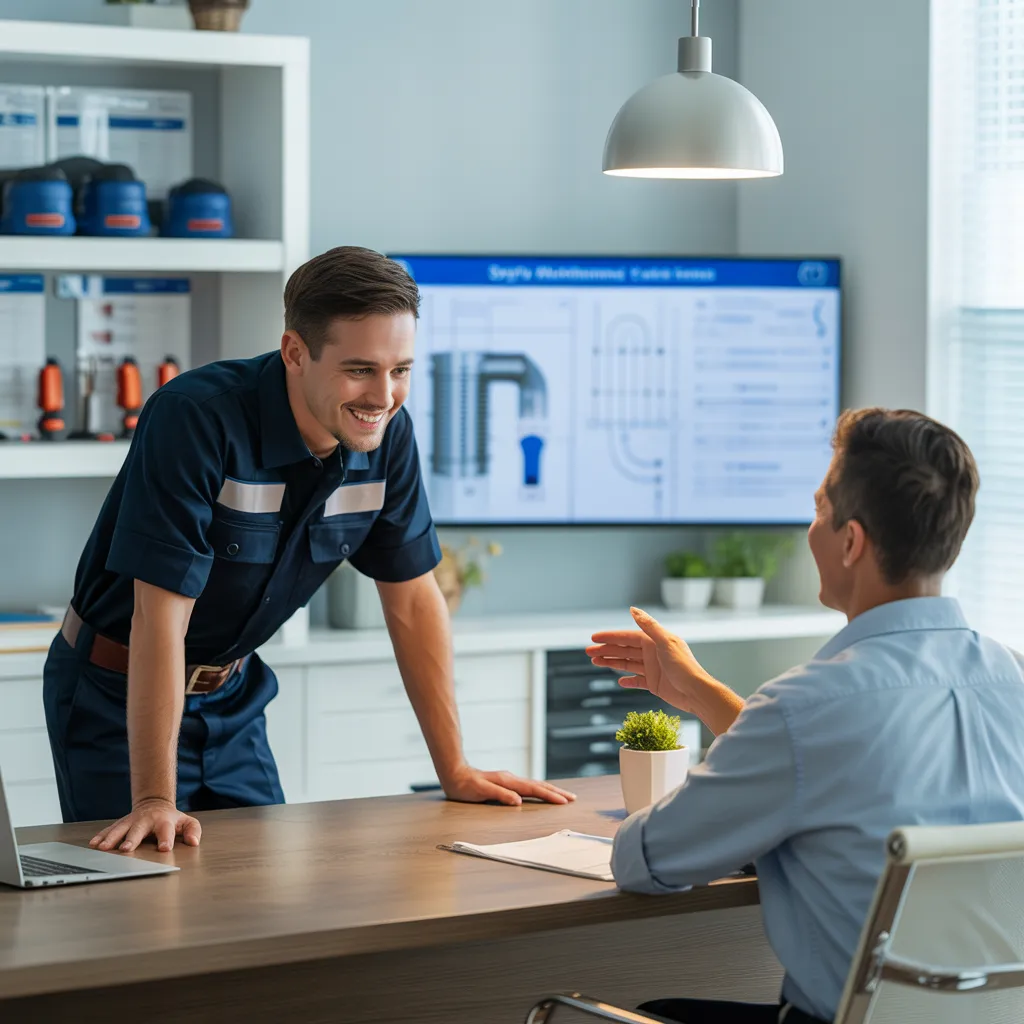
Why a Professional HVAC Contractor Is Essential
How crucial is it to have a dependable HVAC contractor? The importance of an skilled professional in heating, ventilation, and air conditioning cannot be understated. A dependable contractor guarantees that systems are set up correctly, maintained efficiently, and repaired promptly. This reliability directly affects the comfort and safety of a home. With fluctuating temperatures, a well-functioning HVAC system is essential for indoor air quality and energy efficiency.
Selecting the right service provider reduces the chance of sudden malfunctions and expensive maintenance. A reliable HVAC contractor will also offer professional advice on equipment choice and energy-saving options, assisting homeowners make informed decisions. Routine upkeep from a trusted professional extends the lifespan of the equipment and improves performance. Therefore, investing time in finding a well-regarded HVAC contractor is essential for maintaining a pleasant home year-round, ultimately promoting the well-being and contentment of the household.
Signs You Should to Call an HVAC Professional?
Homeowners may encounter signs suggesting the need for professional HVAC assistance. Unusual noises from the system and uneven cooling and heating are often clear indicators of underlying issues. Identifying these warning signs early can prevent further problems and expensive fixes.
Uncommon Noises Originating From Equipment
Unusual sounds coming from an HVAC system may indicate underlying issues that require prompt attention. Common noises, such as rattling, grinding, or hissing, may suggest loose components, mechanical wear, or refrigerant leaks. A persistent clanking sound might suggest a malfunctioning fan or motor, while squealing often indicates belt issues. Ignoring these sounds can cause more severe damage and expensive repairs. Homeowners should avoid trying to diagnose or repair these problems themselves, as it can make the problem worse. Instead, reaching out to presentation a qualified HVAC professional is crucial for a complete inspection and proper resolution. Timely intervention can restore the system’s efficiency and keep a comfortable indoor environment.
Inconsistent Thermal Management
What could be more bothersome than an HVAC system that fails to maintain a consistent temperature? Homeowners often encounter varying heat and cold, resulting in discomfort and higher energy costs. This irregularity can originate from various issues, such as a malfunctioning thermostat, inadequate insulation, or blocked ducts. If certain rooms feel considerably different from others, it may suggest underlying problems needing professional assessment. Increasing energy bills may also signal inefficiencies within the system, encouraging a more thorough look. Disregarding these signs can lead to further complications and costly repairs. Therefore, when dealing with inconsistent temperature control, it is prudent to consult an HVAC professional to improve comfort and performance in the home.
fundamental HVAC support for Homeowners
Homeowners must review essential HVAC services to guarantee the reliability and lifespan of their systems. Regular maintenance programs, quality system installations, and timely emergency repairs are critical components that contribute to peak performance. Understanding these services can help property owners make informed decisions about their HVAC needs.
Proactive Maintenance Plans
Implementing scheduled maintenance plans is important for maintaining optimal performance and extending the lifespan of HVAC systems. These plans usually involve periodic inspections, cleaning, and adjustments that help catch potential problems before they turn into expensive repairs. By setting up regular check-ups, homeowners can increase energy efficiency, lowering utility bills while enhancing indoor air quality. Technicians typically check refrigerant levels, inspect ductwork, and clean filters to keep systems running at their best. Furthermore, preventive maintenance can extend the life of HVAC equipment, offering peace of mind and reducing the chances of unexpected failures. Homeowners who commit to these plans not only enjoy greater comfort but also protect their investment in the system, ensuring dependable operation all year long.
Effective System Implementations
Efficient system installations serve an essential part in maximizing HVAC performance and energy savings. Properly installed heating, ventilation, and air conditioning units ensure ideal airflow, lowering energy consumption and cutting utility bills. Professionals evaluate the unique requirements of each home, choosing equipment that fits size specifications and local climate conditions. They also ensure that ductwork is sealed and insulated, preventing energy loss. Advanced technologies, such as smart thermostats, can be integrated during installation for enhanced control and efficiency. Furthermore, following manufacturer guidelines and local building codes during installation ensures reliable operation and longevity of the system. Ultimately, homeowners benefit from improved comfort levels and a reduced environmental footprint when investing in efficient HVAC installations.
Timely Emergency Fixes
Encountering a sudden HVAC failure can be challenging, particularly during harsh weather conditions. Residents rely significantly on their heating and cooling systems for comfort, making prompt emergency repairs essential. Quick service speed from HVAC technicians can prevent further harm and restore performance, relieving distress.
These professionals are skilled at identifying issues quickly, whether it's a malfunctioning furnace in winter or a damaged cooling unit in summer. Their knowledge guarantees that repairs are done properly the first time, reducing downtime. Additionally, many contractors provide 24/7 services, providing peace of mind for homeowners. By prioritizing timely emergency repairs, homeowners can maintain a stable indoor environment and protect their commitment in HVAC systems.
Picking the Ideal HVAC Contractor: Important Tips
In what way can property owners guarantee they pick the optimal HVAC contractor for their needs? First and foremost, studying credentials is important. Homeowners should verify licenses, coverage, and certifications to confirm the contractor achieves industry benchmarks. Reading online testimonials and seeking recommendations from colleagues or relatives can offer insights into a contractor's credibility.
Next, getting various quotes enables homeowners to evaluate pricing and services. It is crucial to ask about warranties and guarantees, as quality control can demonstrate the contractor's confidence in their work. Additionally, examining the contractor's experience with specific HVAC systems can be valuable for specialized needs.
Communication serves as a key factor; a reputable contractor will take the time to present options and respond to concerns explicitly. Finally, determining a contractor with transparent pricing and no masked fees can help avoid unexpected costs. By adopting these tips, homeowners can create sound decisions and ascertain their HVAC systems are in capable hands.
Why Steady HVAC Maintenance Matter
Scheduled HVAC maintenance constitutes a fundamental role in preserving system performance and lifespan. By arranging routine examinations, homeowners can identify and resolve potential issues before they escalate into prohibitive overhauls. This proactive approach enhances system functionality while also optimizes power expenditure, leading to suppressed energy bills.
Moreover, routine maintenance enhances air quality inside your home by making sure filters remain clean and components are functioning properly. A well-maintained system runs with less noise and decreases the chance of sudden failures during harsh weather.
Additionally, numerous producers require proof of regular maintenance to copyright warranty coverage, protecting the homeowner's investment. By making HVAC maintenance a priority, individuals can enjoy a pleasant home atmosphere throughout the year while prolonging the lifespan of their heating and cooling systems. Ultimately, this commitment contributes to both comfort and financial benefits in the long run.
Important Facts About HVAC Systems You Should Be Aware Of
Understanding HVAC systems is vital for property owners seeking optimal climate control and convenience in their residences. HVAC, which stands for heating, ventilation, and air conditioning, encompasses various elements that work together to manage indoor climate conditions and air quality. Key elements contain the furnace, air conditioner, ductwork, and thermostats, each playing an significant role in maintaining a comfortable environment.
Homeowners should evaluate the size and capacity of their HVAC system to ensure peak performance; an oversized or undersized unit can result in inefficiencies. Consistently changing filters and arranging professional inspections can prevent failures and prolong the system's lifespan.
Moreover, understanding energy efficiency ratings, such as SEER for air conditioners and AFUE for furnaces, can allow homeowners to select appropriately when acquiring or updating systems. Awareness of these factors produces a more comfortable, energy-efficient home environment.
Why Quality HVAC Maintenance Lower Your Financial Burden
Committing to reliable HVAC services can greatly cut long-term fees for homeowners. Regular servicing and prompt repairs guarantee that HVAC systems perform efficiently, which can markedly minimize utility bills. When systems are well-maintained, they operate at peak levels, minimizing electrical waste and enhancing the lifespan of the equipment.
In addition, capable contractors frequently furnish assurances and protections on their tasks, bestowing mental ease and financial protection to defend from future issues. By confronting small defects before they worsen, householders can elude costly emergency repairs that generally develop from disregard.
Additionally, energy-efficient upgrades suggested by reputable HVAC professionals can generate substantial savings over time. These improvements not only improve comfort but also lower a lower carbon footprint. In sum, engaging dependable HVAC services is a forward-thinking strategy that ultimately delivers financial benefits while ensuring a pleasant home year-round.
Frequently Asked Questions
How Can I Boost My HVAC System's Energy Efficiency?
Boosting heating and cooling system energy efficiency entails regular maintenance, sealing ductwork, upgrading with a programmable thermostat, using energy-efficient filters, and verifying proper insulation. These practices jointly optimize function, lower energy use, and lower utility costs.
What Common HVAC System Myths Ought to You Avoid?
Several HVAC myths to steer clear of include believing that larger systems are always better, that routine upkeep isn't required, and that shutting vents enhances performance. Comprehending these false beliefs can lead to improved operation and energy savings.
What Schedule Should I Change My HVAC Filters At?
HVAC filters must typically be changed every one to three months, depending on usage and filter type. Regular upkeep ensures peak system performance, enhances air quality, and extends the lifespan of the HVAC unit.
How Extended Is the Lifespan of an HVAC System?
An HVAC system generally lasts between 15 to 25 years, determined by factors like usage, servicing, and quality of installation. Routine maintenance can prolong its lifespan, while neglect may result in premature failure.
Can I install an HVAC system on my own?
Putting in an HVAC system by yourself is doable for skilled people, though it carries considerable hazards. Correct installation needs technical knowledge to guarantee efficiency and security, making professional help a preferred choice for maximum performance and following regulations.